
no excuses the power of self-discipline

Self-discipline separates those who achieve their goals from those who keep making excuses. If you're tired of watching your dreams slip away while you justify why "now isn't the right time," this guide will show you how to break free from that cycle.
This content is designed for anyone ready to stop letting excuses control their life – whether you're struggling to build better habits, chasing a big goal, or simply want more control over your daily choices.
We'll explore how to identify and eliminate the excuse-making patterns that keep you stuck. You'll discover practical daily discipline practices that build momentum over time. Finally, we'll tackle the mental barriers that make staying disciplined feel impossible, especially when life throws curveballs your way.
The power of self-discipline isn't about being perfect – it's about showing up consistently, even when you don't feel like it.
Understanding Self-Discipline as Your Success Foundation
Define self-discipline and its impact on personal achievement
Self-discipline is the ability to control your impulses, emotions, and behaviors to achieve long-term goals, even when it feels uncomfortable or challenging. Think of it as your internal compass that keeps you moving toward what matters most, regardless of how you feel in the moment.
The impact on personal achievement is profound. People with strong self-discipline consistently outperform those who rely solely on talent or intelligence. They show up when others make excuses, push through when others quit, and maintain focus when distractions abound. Research shows that self-disciplined individuals earn higher incomes, maintain better relationships, and experience greater life satisfaction.
Self-discipline acts as a force multiplier for your efforts. While talent might get you started, discipline determines how far you go. It transforms sporadic bursts of effort into consistent progress, turning your potential into measurable results.
Identify the difference between motivation and discipline
| Motivation | Discipline |
|---|---|
| Emotional and fluctuating | Systematic and consistent |
| Dependent on feelings | Independent of emotions |
| Comes and goes unpredictably | Can be developed and strengthened |
| External triggers required | Internal commitment drives action |
| Short-term energy bursts | Sustainable long-term practice |
Motivation feels good—it's that surge of excitement when you set a new goal or watch an inspiring video. But motivation is like weather: unpredictable and temporary. You can't count on feeling motivated every day.
Discipline, however, is your commitment to action regardless of how you feel. When motivation fails you at 5 AM for your workout, discipline gets you out of bed anyway. When you don't feel like working on that important project, discipline opens your laptop and starts typing.
The most successful people don't wait for motivation to strike. They build systems and habits that operate independently of their emotional state. They understand that feelings follow actions, not the other way around.
Recognize how self-discipline creates lasting behavioral change
Self-discipline rewrites your behavioral patterns at the neurological level. Every time you choose discipline over impulse, you strengthen neural pathways that make future disciplined choices easier. Your brain literally adapts to support your disciplined behaviors.
This process creates what psychologists call "behavioral momentum." Small disciplined actions build upon themselves, creating an upward spiral of positive change. When you consistently wake up early, exercise regularly, or stick to your budget, these behaviors become automatic responses rather than constant battles.
The key lies in understanding that discipline shapes identity. You don't just do disciplined things—you become a disciplined person. This identity shift is powerful because it influences every decision you make. Someone who sees themselves as disciplined naturally asks, "What would a disciplined person do in this situation?"
Lasting change happens when your disciplined actions become so ingrained that not doing them feels wrong. The person who has exercised consistently for months doesn't struggle with whether to work out—they struggle with taking rest days.
Understand why willpower alone fails without structured discipline
Willpower is a finite resource that depletes throughout the day. Studies show that people make worse decisions as they face more choices, a phenomenon called "decision fatigue." Relying solely on willpower means betting your success on a resource that weakens when you need it most.
Structured discipline removes the burden from willpower by creating systems and habits. Instead of deciding whether to exercise each morning, you schedule it at the same time and prepare your workout clothes the night before. The structure eliminates the decision, preserving your willpower for more important choices.
Successful people don't have superhuman willpower—they have superior systems. They automate disciplined behaviors through:
-
Pre-commitment strategies that make good choices easier
-
Environmental design that removes temptations and friction
-
Habit stacking that links new behaviors to existing routines
-
Clear implementation intentions that specify when and where actions occur
When discipline becomes structural rather than emotional, it stops requiring constant mental energy. Your disciplined actions happen because your system supports them, not because you summoned enough willpower to override your impulses.
The goal is to make discipline feel effortless, not to make yourself tougher. Smart structure beats raw willpower every time.
Breaking the Excuse-Making Habit That Limits Your Potential

Spot the most common excuses that sabotage progress
The most destructive excuses sound perfectly reasonable on the surface. "I don't have time" tops the list, masquerading as a legitimate constraint when it's actually a prioritization problem. Everyone gets 24 hours, yet some people achieve extraordinary results while others remain stuck. The truth? Time isn't the issue—it's what you choose to do with it.
"I'm not ready yet" represents another classic saboteur. This excuse keeps you in perpetual preparation mode, convincing you that more research, planning, or skill-building is necessary before taking action. The reality is that readiness is a myth. You'll never feel completely prepared, and waiting for perfect conditions guarantees you'll never start.
"It's too hard" reveals a fundamental misunderstanding of growth. Difficulty isn't a barrier—it's the price of admission to improvement. When you label something as "too hard," you're essentially saying you're not willing to pay the price for what you want.
Resource-based excuses like "I can't afford it" or "I don't have the right connections" shift blame to external circumstances. While resources matter, resourcefulness matters more. People with fewer advantages often outperform those with every advantage because they focus on solutions rather than limitations.
The genetics excuse—"I'm not naturally good at this"—assumes talent trumps effort. Research consistently shows that deliberate practice and persistence outweigh natural ability in virtually every domain.
Transform victim mentality into personal accountability mindset
Victim mentality operates on the belief that external forces control your outcomes. This mindset scans for reasons why success isn't possible rather than seeking paths to achievement. It sounds like: "The economy is bad," "My boss doesn't appreciate me," or "I had a difficult childhood."
Personal accountability flips this script entirely. Instead of asking "Why is this happening to me?" you ask "What can I do about this?" This shift from victim to victor changes everything because it puts you back in the driver's seat of your life.
The transformation begins with language awareness. Catch yourself using victim phrases and immediately reframe them. Replace "I have to" with "I choose to." Change "I can't because..." to "I can if I..." This isn't positive thinking—it's accurate thinking that acknowledges your power to influence outcomes.
Take ownership of your choices, even when circumstances aren't ideal. You might not control what happens to you, but you absolutely control how you respond. This response determines your trajectory more than the initial event ever could.
Start viewing setbacks as feedback rather than failure. When something doesn't work, accountable people ask "What can I learn from this?" and "How can I approach this differently?" They see obstacles as information, not insurmountable barriers.
Replace excuse patterns with solution-focused thinking
Solution-focused thinking operates from abundance rather than scarcity. While excuse-making asks "What's wrong with this situation?" solution-focused thinking asks "What's possible here?" This simple shift unlocks creative problem-solving that excuse-making completely shuts down.
Train yourself to generate three potential solutions before voicing any problem. This practice rewires your brain to automatically seek answers rather than dwelling on obstacles. Even if your first three solutions aren't perfect, the mental exercise moves you from problem-focused to solution-focused thinking.
Break overwhelming challenges into manageable components. Instead of "I can't get in shape," identify specific actions: "I can walk for 15 minutes today," "I can replace one unhealthy snack with fruit," or "I can do five push-ups right now." Small, concrete steps replace vague, insurmountable goals.
Use "How can I..." questions to unlock possibilities. "How can I find 30 minutes to exercise?" generates different mental activity than "I don't have time to exercise." The first opens pathways; the second closes them.
Reframe constraints as creative challenges. Limited budget? Challenge yourself to achieve results with minimal resources. No experience? View it as an opportunity to approach problems with fresh perspective. Every limitation contains the seeds of innovation if you look for them.
Build mental resilience against setback temptations
Setbacks test your commitment like nothing else. The moment results don't match expectations, excuse-making becomes incredibly tempting. Building mental resilience means preparing for these moments before they arrive.
Expect obstacles rather than being surprised by them. When you anticipate challenges, they become part of the process rather than reasons to quit. Create contingency plans for common setbacks. If you miss a workout, what's your backup plan? If you overspend one week, how will you adjust the next?
Develop a setback protocol that you follow automatically. First, acknowledge what happened without judgment. Second, identify what you learned. Third, adjust your approach based on new information. Fourth, take the next right action immediately. This protocol prevents wallowing and keeps you moving forward.
Practice the "so what, now what" mentality. So what if you failed? So what if it's harder than expected? So what if others are ahead of you? The "so what" acknowledges reality without emotional attachment. The "now what" immediately shifts focus to the next productive step.
Build your tolerance for discomfort gradually. Start with small challenges that stretch your comfort zone without breaking you. Each time you push through discomfort instead of making excuses, you strengthen your resilience muscle for bigger challenges ahead.
Remember that excuses feel good temporarily but create long-term pain. Discipline feels challenging temporarily but creates long-term satisfaction. Choose your hard wisely.
Building Daily Discipline Practices That Compound Success
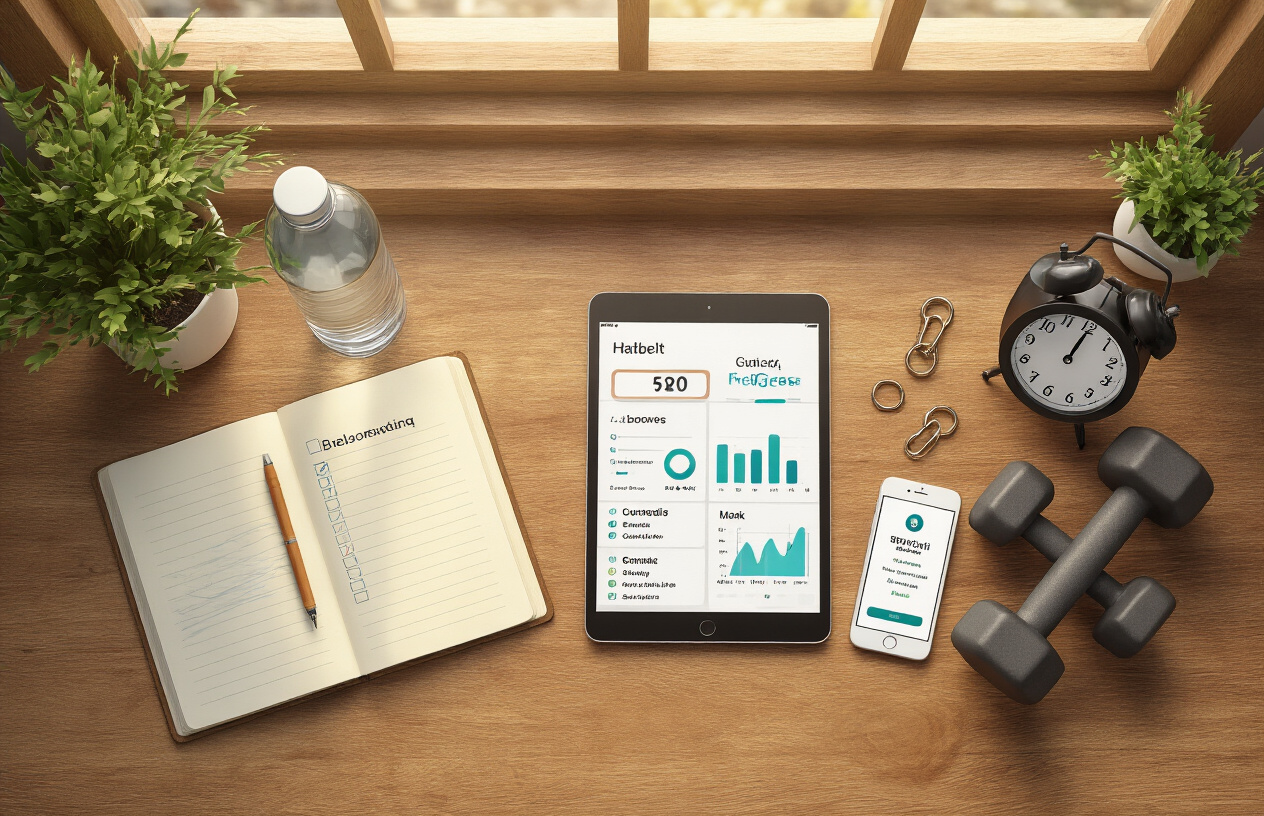
Start with micro-habits that require minimal willpower
The secret to building unshakeable discipline lies in starting ridiculously small. Think one push-up, reading one page, or meditating for sixty seconds. Your brain resists massive changes but barely notices tiny ones. When you start with a single push-up, you're not just exercising—you're rewiring your neural pathways to expect success.
Micro-habits work because they bypass the part of your brain that creates resistance. After completing that one push-up consistently for a week, your body naturally wants to do two. Before you know it, you're doing twenty without thinking about it. The key is making the initial habit so easy that skipping it feels harder than doing it.
Pick three micro-habits that align with your bigger goals. Maybe it's drinking one glass of water upon waking, writing one sentence in a journal, or doing one minute of stretching. The specific action matters less than the consistency. These tiny victories create psychological momentum that carries over into every area of your life.
Create non-negotiable morning routines for mental strength
Your first hour sets the emotional and mental tone for your entire day. When you start with intention instead of reaction, you're already ahead of 90% of people who grab their phones before their feet hit the floor. A disciplined morning routine isn't about waking up at 4 AM—it's about creating predictable wins that build confidence.
Your morning routine should include three elements: something for your body, something for your mind, and something for your spirit or purpose. This might look like five minutes of movement, five minutes of reading, and five minutes of planning your day. The beauty lies in the consistency, not the complexity.
Make your routine non-negotiable by preparing everything the night before. Lay out your workout clothes, set up your journal, prepare your coffee. Remove any friction that gives your sleepy brain an excuse to skip. When everything is ready, following through becomes automatic.
Design evening rituals that reinforce disciplined choices
Evening rituals are where discipline gets cemented or destroyed. How you end your day determines how easily you'll start the next one. Create a wind-down routine that reviews your wins, prepares for tomorrow, and signals to your brain that the day is complete.
Start with a simple review process. Write down three things you accomplished, no matter how small. This trains your brain to look for evidence of progress instead of dwelling on what went wrong. Then write down your three priorities for tomorrow. This prevents morning decision fatigue and keeps you focused on what matters.
Your evening ritual should also include preparing your environment for success. Clean your space, set out tomorrow's clothes, and eliminate digital distractions at least an hour before bed. When you wake up to an organized environment, disciplined choices feel natural instead of forced.
Stack new disciplined behaviors onto existing habits
Habit stacking leverages the neural pathways you've already built. Instead of trying to create entirely new routines, attach new behaviors to things you already do automatically. After you brush your teeth, do ten squats. After you pour your coffee, write in your gratitude journal. After you sit down at your desk, review your daily goals.
The formula is simple: After [existing habit], I will [new habit]. Your existing habits act as natural triggers that remind you to perform the new behavior. This removes the mental effort of remembering and creates an automatic chain reaction.
Choose existing habits that happen at the same time every day and in the same location. The more consistent the trigger, the stronger the connection becomes. Within a few weeks, the new behavior feels as automatic as the original habit.
Track progress to maintain momentum and celebrate wins
What gets measured gets managed, but more importantly, what gets measured gets celebrated. Tracking isn't about perfectionism—it's about awareness and momentum. Use simple methods like marking an X on a calendar or using a basic habit tracking app.
Track behavior, not just outcomes. Instead of tracking "lost weight," track "ate a healthy breakfast." Instead of tracking "finished project," track "worked on project for 30 minutes." Behavioral tracking gives you something to celebrate every single day, which fuels your motivation to continue.
Create milestone rewards that reinforce your disciplined identity. After completing a habit for seven days straight, treat yourself to something small but meaningful. After thirty days, celebrate bigger. These rewards aren't bribes—they're recognition of the person you're becoming. Each celebration strengthens your identity as someone who follows through on commitments.
Review your tracking data weekly to identify patterns and adjust your approach. Maybe you consistently miss your evening routine on Wednesdays because of a standing commitment. Instead of fighting the pattern, adapt your routine to fit your reality. Discipline isn't about rigidity—it's about consistent progress despite changing circumstances.
Overcoming Mental Barriers That Prevent Disciplined Action

Conquer perfectionism that paralyzes forward movement
Perfectionism masquerades as high standards, but it's actually fear wearing a disguise. When you demand flawless execution before taking action, you're essentially giving yourself permission to never start. The perfectionist sits at their desk, outlining and re-outlining their novel for months without writing a single chapter. They research fitness routines endlessly but never step foot in the gym because they haven't found the "perfect" workout plan.
Break this cycle by embracing the 80% rule. Launch when you're 80% ready, submit when your work is 80% polished, and start when you have 80% of the information you think you need. The remaining 20% comes from doing, not planning. Set specific time limits for preparation phases. Give yourself one week to research, then act regardless of how "ready" you feel.
Create systems that reward progress over perfection. Track daily actions rather than perfect outcomes. Did you write for 30 minutes? That's a win, regardless of whether those paragraphs were Pulitzer-worthy. This approach builds momentum while perfectionism builds paralysis.
Push through discomfort zones where growth happens
Comfort feels safe, but it's where dreams go to die. Your nervous system treats emotional discomfort the same way it treats physical danger, flooding your body with stress signals that scream "retreat." Learning to sit with this discomfort becomes a superpower.
Start with small doses of controlled discomfort. Take cold showers, have difficult conversations, or tackle tasks you've been avoiding. Each time you choose action over comfort, you're rewiring your brain's response patterns. Your discomfort tolerance expands like a muscle that grows stronger with consistent training.
Reframe discomfort as information, not instruction. When your chest tightens before making that sales call, that's data about importance, not a command to avoid. The sensation means you're approaching something meaningful. Champions in every field share one trait: they've learned to use discomfort as a compass pointing toward growth opportunities.
Silence the inner critic that fuels procrastination
That voice in your head isn't protecting you; it's imprisoning you. The inner critic speaks in absolutes and catastrophes. "You'll never succeed," it whispers. "Everyone will judge you." "You're not smart enough." These thoughts feel true because they're loud and persistent, but volume doesn't equal validity.
Name your inner critic. Give it a character - maybe it's a worried parent, a harsh teacher, or a playground bully from childhood. Once you recognize it as a separate entity rather than objective truth, you can respond rather than react. When it says, "You're terrible at this," you can reply, "Thanks for sharing, but I'm going to keep practicing anyway."
Replace critic thoughts with coach thoughts. Instead of "I'm so stupid for making that mistake," try "That's useful feedback for next time." This isn't positive thinking nonsense; it's practical self-management. Coaches help athletes improve through constructive feedback, not character assassination.
Develop emotional regulation skills for consistent performance
Emotions make terrible pilots but excellent passengers. They provide valuable information about your internal state, but letting them drive your decisions leads to erratic behavior patterns. High performers don't feel fewer emotions; they manage their emotional responses more skillfully.
Practice the pause between feeling and action. When anger flares up during a difficult conversation, breathe deeply for five seconds before responding. When anxiety hits before a presentation, acknowledge it without changing your plans. This gap between stimulus and response is where discipline lives.
Create emotional protocols for common scenarios. What's your standard response when you feel overwhelmed? When someone criticizes your work? When you face unexpected setbacks? Having predetermined responses prevents emotional hijacking of your rational decision-making processes.
| Emotion | Physical Signs | Productive Response |
|---|---|---|
| Anxiety | Racing heart, tight chest | Deep breathing, focus on next action |
| Anger | Clenched jaw, heated face | Count to 10, identify the real issue |
| Overwhelm | Scattered thoughts, tension | Write down everything, prioritize top 3 |
| Disappointment | Heavy feeling, low energy | Process briefly, then refocus on goals |
Build your emotional vocabulary. Most people operate with about five emotional words: good, bad, angry, sad, happy. Expanding your emotional granularity helps you respond more precisely. Instead of "I feel bad," try "I feel discouraged by this setback but determined to find another approach."
Maintaining Long-Term Discipline When Life Gets Challenging

Prepare contingency plans for high-stress situations
High-stress periods will test your discipline like nothing else. The key is planning for these challenges before they hit. Create specific action plans for different scenarios - work deadlines, family emergencies, health issues, or financial pressures. When stress peaks, decision-making becomes cloudy, so having pre-made choices removes guesswork.
Write down simplified versions of your disciplined practices for stressful times. If you normally exercise for an hour, your stress plan might be a 15-minute walk. If you usually meal prep elaborate dishes, your backup could be healthy frozen options. The goal isn't perfection during chaos - it's maintaining some thread of discipline to prevent complete derailment.
Practice these contingency plans during calm periods. Run through your "emergency discipline protocol" monthly so it becomes automatic. This rehearsal builds confidence and muscle memory for when real challenges arrive.
Build support systems that reinforce disciplined choices
Discipline thrives in community. Surround yourself with people who understand your goals and actively support your disciplined choices. This might mean finding workout partners, joining accountability groups, or simply communicating your commitments clearly to family and friends.
Create multiple layers of support. Have close friends for daily encouragement, mentors for guidance during tough decisions, and peer groups facing similar challenges. Online communities can provide 24/7 support when local connections aren't available.
Set up environmental supports too. Keep healthy snacks visible, place workout clothes by your bed, or use apps that block distracting websites during work hours. Your physical and digital environments should make disciplined choices easier and undisciplined ones harder.
Recover quickly from setbacks without losing momentum
Setbacks aren't failures - they're data points. When discipline breaks down, resist the urge to abandon everything. Instead, treat each slip as valuable information about your systems and triggers. Quick recovery separates those who build lasting discipline from those who give up.
Use the "minimum viable discipline" approach after setbacks. Don't try to immediately return to peak performance. Start with the smallest possible disciplined action - even five minutes counts. This rebuilds confidence and creates positive momentum without overwhelming yourself.
Develop a standard recovery protocol: acknowledge what happened without harsh self-judgment, identify the trigger or gap in your system, make one small improvement, and take the next disciplined action. This process should take minutes, not days or weeks.
Adjust disciplined practices as life circumstances change
Rigid discipline breaks under pressure. Smart discipline bends and adapts. Life brings new jobs, relationships, health changes, and responsibilities. Your disciplined practices must evolve with these shifts or they'll become unsustainable burdens rather than helpful tools.
Review your practices quarterly. Ask yourself what's working, what's becoming difficult, and what new challenges have emerged. A practice that served you as a single person might need modification after marriage or parenthood. Career changes might require different time management approaches.
Build flexibility into your core disciplines from the start. Instead of "I exercise at 6 AM every day," try "I complete 30 minutes of movement daily." This allows for schedule adjustments while maintaining the essential habit. Focus on the outcome and principle rather than rigid methods.
Create seasonal approaches to discipline. Recognize that energy, motivation, and available time naturally fluctuate throughout the year. Design lighter maintenance phases for busy periods and intensive growth phases for calmer times. This prevents all-or-nothing thinking that destroys long-term consistency.
Self-discipline isn't just another motivational buzzword—it's the real deal when it comes to getting what you want out of life. When you stop making excuses and start building those small daily habits, you create a powerful foundation that supports everything else you're trying to accomplish. The mental barriers that once seemed impossible to overcome become much smaller when you've trained yourself to show up consistently, even on the days you don't feel like it.
The beautiful thing about discipline is that it builds on itself. Each time you choose to do the hard thing instead of taking the easy way out, you're strengthening that muscle for the next challenge that comes your way. Start with one small area of your life today—whether it's waking up 15 minutes earlier, doing ten push-ups, or reading for just five minutes. Your future self will thank you for making the decision to stop waiting for the perfect moment and start building the discipline that will carry you through whatever life throws at you.